

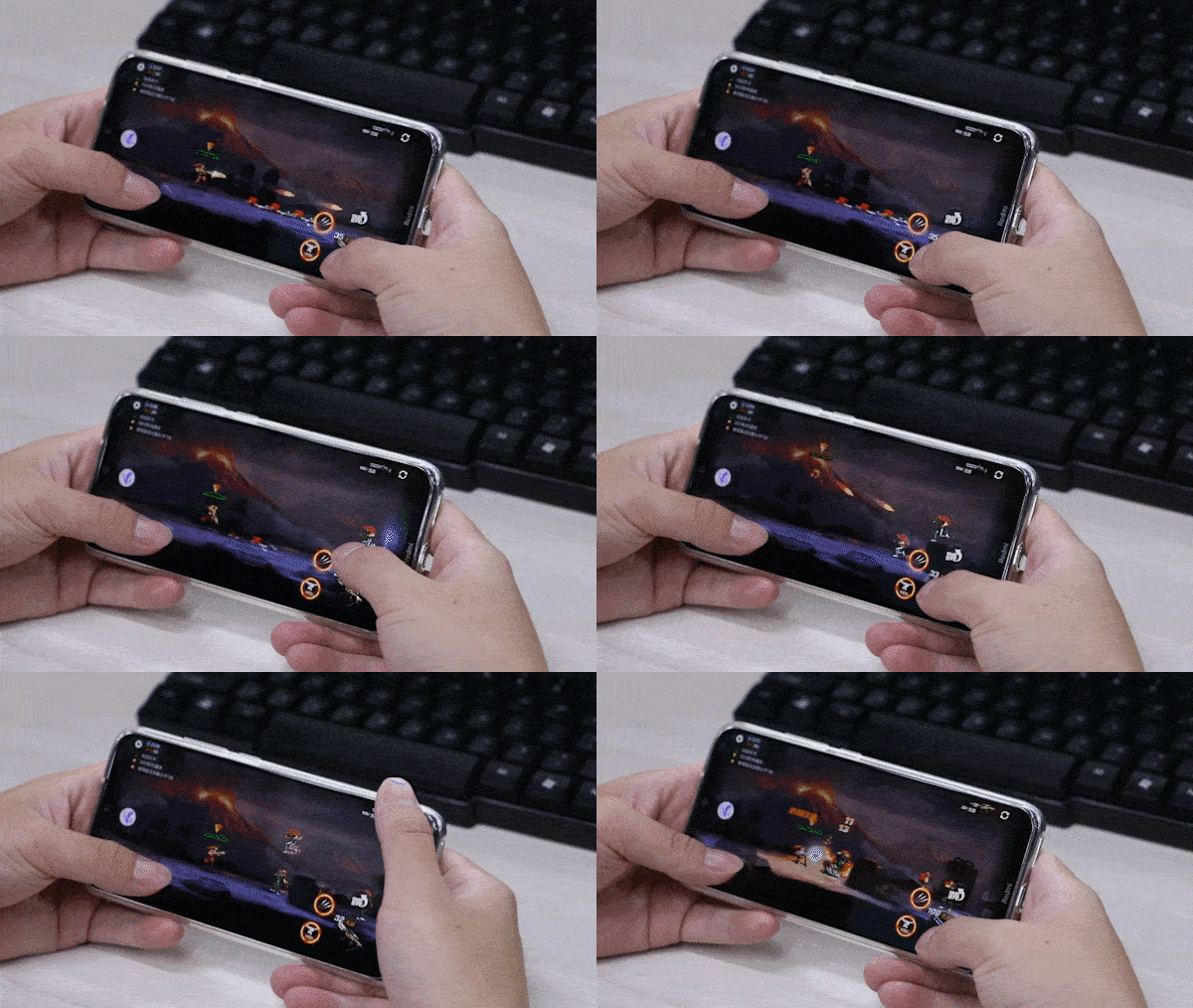
In the current era of rapid technological development, the screen technology of smartphones is updated and replaced extremely quickly. OLED screens, with their outstanding features such as high contrast and vibrant colors, have become the darling of the market and occupy the majority of the market share. However, LCD screens have not left the market in disappointment. With excellent eye protection features, they still hold a place in the field of mobile phone screens. So, why are LCD phones more eye friendly? Next, let’s delve into the mysteries together.
The working principle of LCD screen
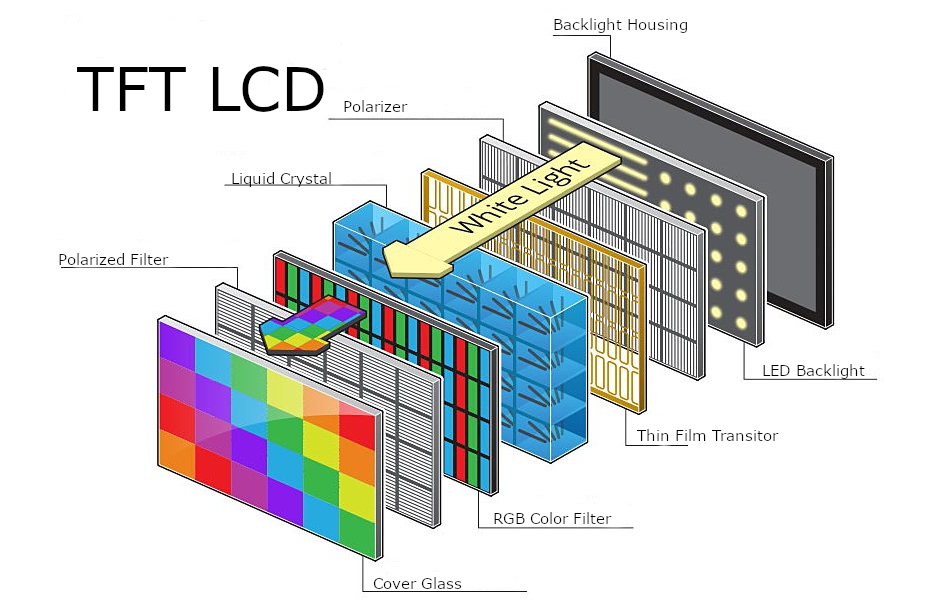
LCD, That is, the abbreviation for Liquid Crystal Display, also known as Liquid Crystal Display in Chinese. Its working principle is very clever, mainly through the ordered arrangement and changes of liquid crystal molecules, to achieve precise control of light transmission and obstruction, ultimately achieving clear image display. It is worth noting that LCD screens do not have the ability to emit light on their own. They rely on an external backlight source to illuminate the liquid crystal layer and present the image we see. In the early days, the common backlight source was cold cathode fluorescent tubes (CCFLs), but with the advancement of technology, the vast majority of LCD phones now use more advanced light-emitting diodes (LEDs) as backlight sources. This backlight source is not only more energy-efficient and efficient, but also has better performance in color reproduction and brightness uniformity.
Blue light issue
Before understanding the eye protection advantages of LCD screens, we must first recognize blue light. Blue light is a visible light with a shorter wavelength and higher energy, widely present in every corner of our lives, especially in the screens of various electronic devices. Long term exposure to blue light can easily harm our eyes, causing discomfort such as eye fatigue, dryness, blurred vision, and even irreversible damage to the retina, posing a threat to our visual health.
OLED screens, due to their use of self luminous technology, allow each pixel to independently emit light, resulting in excellent color performance and contrast. However, in terms of blue light control, it has certain shortcomings. In contrast, LCD screens have more technological means to reduce the generation and emission of blue light due to the use of backlighting. By optimizing the material formula of the backlight source and putting effort into the optical film layer, LCD screens can effectively reduce the output intensity of blue light. In addition, some high-end LCD phones are equipped with specialized blue light filtering technology, like putting a pair of “blue light protective glasses” on the eyes, further reducing the potential harm of blue light to the eyes.
Strobe issue
In addition to blue light, flicker is also an important factor that cannot be ignored in affecting eye health. OLED screens commonly use PWM dimming, which is almost imperceptible to the human eye when the screen brightness is high. But when the screen brightness decreases, the screen will switch on and off at an extremely fast speed. Although this flicker frequency is low and difficult to directly detect with the naked eye, after watching for a long time, the eyes will gradually feel tired, sore, and may even cause discomfort symptoms such as headaches.
On the other hand, LCD screens usually use DC dimming, which is very simple and direct. It mainly adjusts the brightness of the screen by changing the voltage. Due to the absence of frequent flashing, there is basically no flicker phenomenon, which can greatly reduce the fatigue of the eyes caused by flicker, allowing us to maintain eye comfort even when using our phones for a long time.
summary
In summary, although OLED screens have unparalleled advantages in display effects and can bring us more stunning visual experiences, LCD screens have indeed demonstrated significant advantages in terms of eye protection performance with their excellent solutions to blue light and flicker issues. For users who use their phones for a long time every day and place great emphasis on eye health, LCD phones are undoubtedly a very good choice.
When choosing a phone, we should not only focus on the display effect of the screen, but also consider our own usage needs and habits comprehensively. We should take into account various factors such as screen type, eye protection function, battery life, and performance. Only in this way can we choose a phone that truly suits us. While enjoying the convenience brought by technology, we can also better care for our eye health.
Monday to Saturday, from 9:30 AM to 6:00 PM
ADD:Room 918,No.555,Renmin Middle Road,Longjin Street,LIwan District,Canton,China
 JoyKingdisplays.com
Leave a comment