
Although LCD (liquid crystal display) technology has existed for many years, it still occupies an important position in the display field. Although technologies such as OLED (Organic Light Emitting Diode) and emerging MicroLED are gradually emerging in the high-end market, LCD technology is also constantly evolving and improving. The following are the latest trends and development directions of LCD technology:

High energy ahead! The advantages of LCD mobile phone screens
- Introduction of Mini LED backlight technology
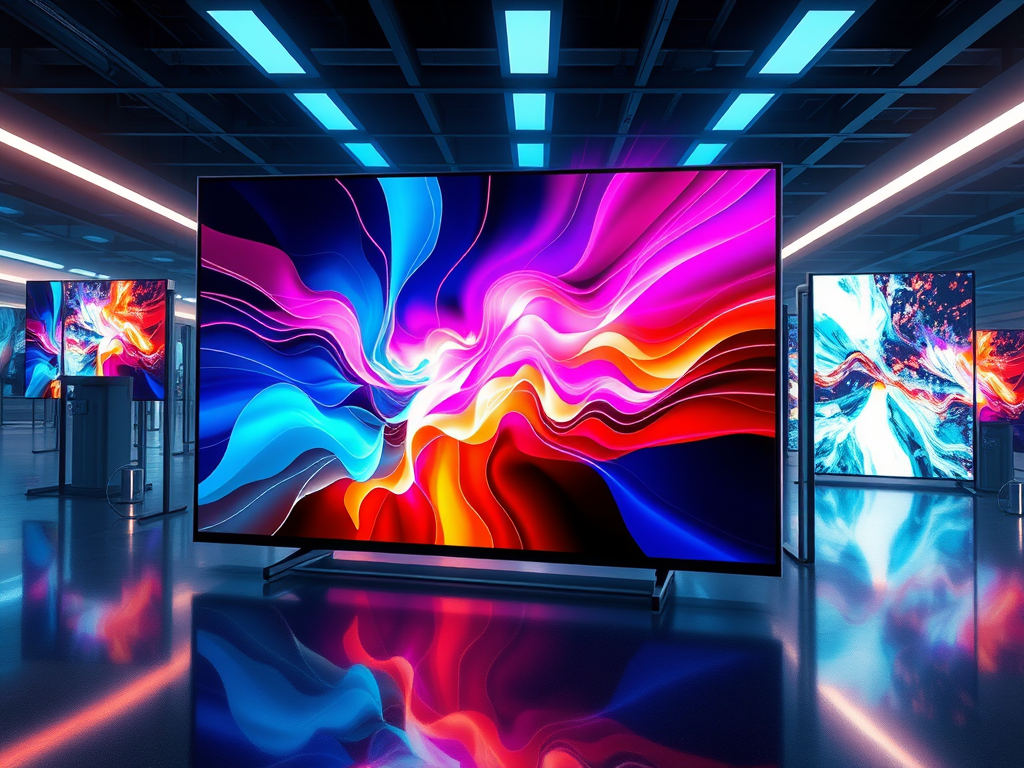
Mini LED is one of the important directions for upgrading LCD technology. It significantly improves the contrast, brightness, and color performance of LCD screens by using smaller and denser LED backlight beads.
Advantages:
Higher contrast: approaching the display effect of OLED.
Better local dimming: achieving more precise brightness control.
Longer lifespan: Compared to OLED, Mini LED has a longer lifespan.
Application:
High end TVs (such as Apple’s Pro Display XDR).
High end displays and tablets. - Quantum dot technology (QLED)
Quantum dot technology is another upgrade direction for LCDs, which enhances color performance and brightness by adding quantum dot materials to the backlight layer.
Advantages:
Wider color gamut: Display richer colors.
Higher brightness: suitable for displaying HDR content.
Application:
High end TVs (such as Samsung QLED TVs).
Professional monitors and laptops. - High refresh rate LCD screen
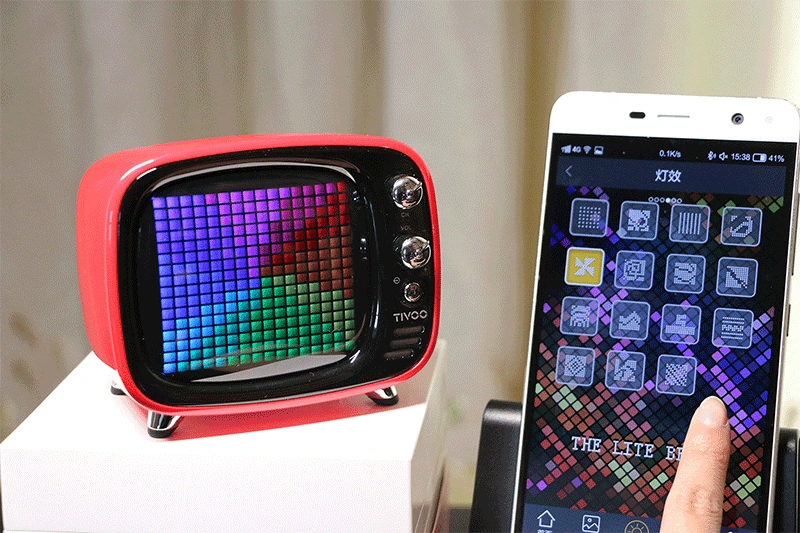
High refresh rates (such as 90Hz, 120Hz, 144Hz) have become an important trend for LCD screens, especially in the fields of smartphones, gaming monitors, and laptops.
Advantages:
Smoother display effect: suitable for gaming and video playback.
Lower latency: Enhance user experience.
Application:
Gaming phones (such as some mid to high end LCD phones).
Esports monitor. - Low power LCD technology
With the increasing demand for energy conservation, low-power LCD technology is also constantly developing. For example:
IGZO (indium gallium zinc oxide) technology: improves electron mobility and reduces power consumption.
Low temperature polycrystalline silicon (LTPS) technology: improving screen response speed and energy efficiency. - Flexible LCD screen
Although OLED is dominant in the field of flexible screens, flexible LCD technology is also under development. By using flexible substrates, LCD screens can also achieve a certain degree of bending and folding.
Challenge:
Thickness and weight: Compared to OLED, the thickness and weight of flexible LCD are still relatively large.
Cost: The production cost is relatively high and has not yet been widely commercialized.
Welcome to visit
123 Example Street
San Francisco, CA 12345
(123) 456-7890
hi@mygroovydomain.com
 JoyKingdisplays.com
Leave a comment